TechCirclePolymers – Technology transfer for a sustainable circular economy of polymer and biopolymer materials

What the project is about

The aim of the technology transfer project “TechCirclePolymers” is to improve the circular economy of polymer and biopolymer materials and thus contribute to the environmental and climate targets set in the European Green Deal. The main focus is on reducing greenhouse gas emissions and decoupling from fossil raw materials. This is to be achieved by using natural resources to produce plastics and optimise their properties, and by enabling or increasing recycling. Reducing the amount of waste and its disposal is a further starting point.

In December we will take part in a webinar by our project partner NETZSCH.

Information on how to participate will be available from November.

Project focus

The aim of the project is to improve the circular economy of bio:polymer materials in order to contribute to the environmental and climate targets of the European Green Deal.

GoalImproving the circular economy of bio:polymer materials
Sub-goal 1Reducing greenhouse gas emissionsLow-carbon economy
Sub-goal 2Decoupling from fossil raw materialsRenewable and recycled raw materials

Our approaches are:

  1. Using natural resources to produce plastics and optimise their properties

  2. Replacing conventional plastics with bioplastics

  3. Increasing the recycling of materials (cost reduction, sustainability, energy savings)

  4. Reducing the amount of waste and its disposal (longer product life, recyclability, end-of-life options, …)

Subproject 1 “BioKrümelKleie”

Kreislaufwirtschaft Kunststoffe im Projekt TechCirclePolymers

Every day, bakeries produce large quantities of residues such as bran and crumbs, which are currently hardly reused. The aim of the first subproject is therefore to produce a biopolymer compound filled with bakery residues, giving what is actually a by-product or waste a new field of application. Using these residues makes a major contribution to waste management and at the same time creates a new circular system.

The bakery residue biopolymer compounds are then injection moulded into a new sustainable and functional product, such as a plant pot or a bread box.

This subproject is carried out together with the two project partners “Fickenschers Backhaus GmbH” and “BKW Kunststoff GmbH”.

The subproject “BioKrümelKleie” has been successfully completed with the two project partners “Backhaus Fickenscher” and “BKW Kunststoffe”.

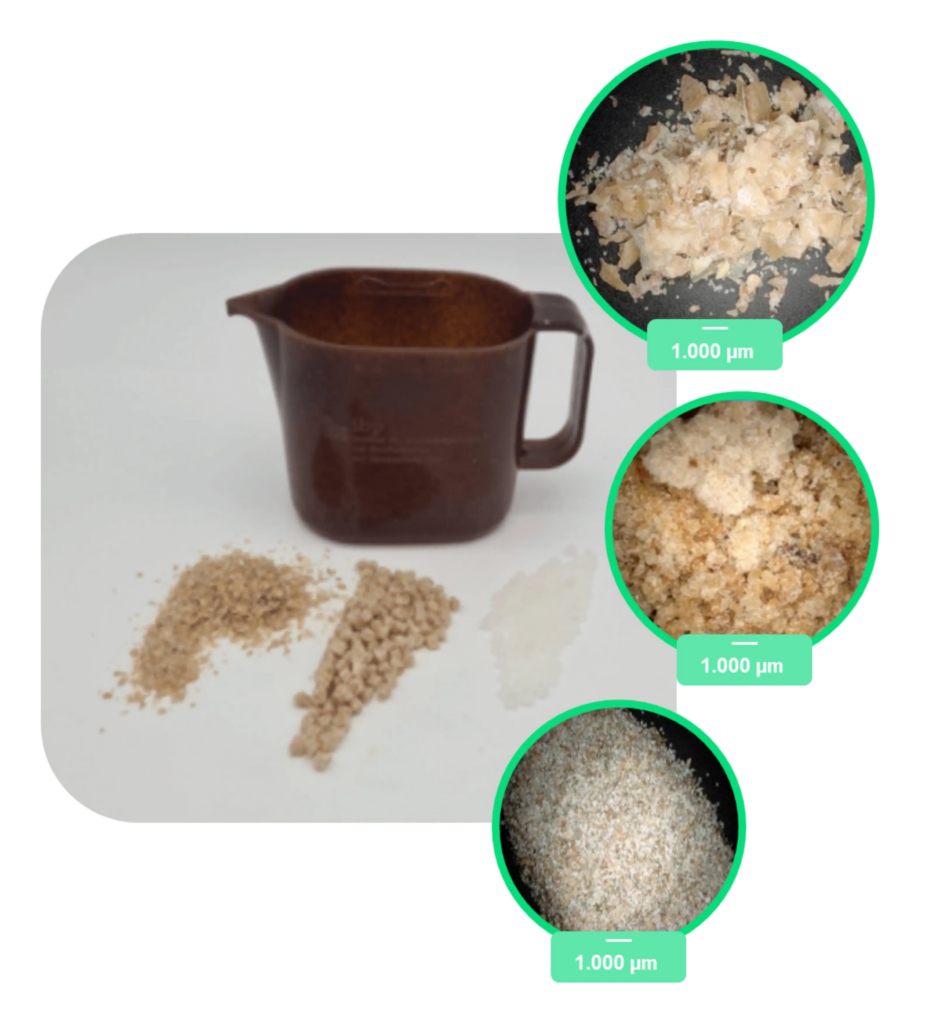
Rye bran, mixed bran and bread roll crumbs were used as bakery residues. They were compounded into the biopolymer polylactide (PLA) and made it easier to process PLA by injection moulding.

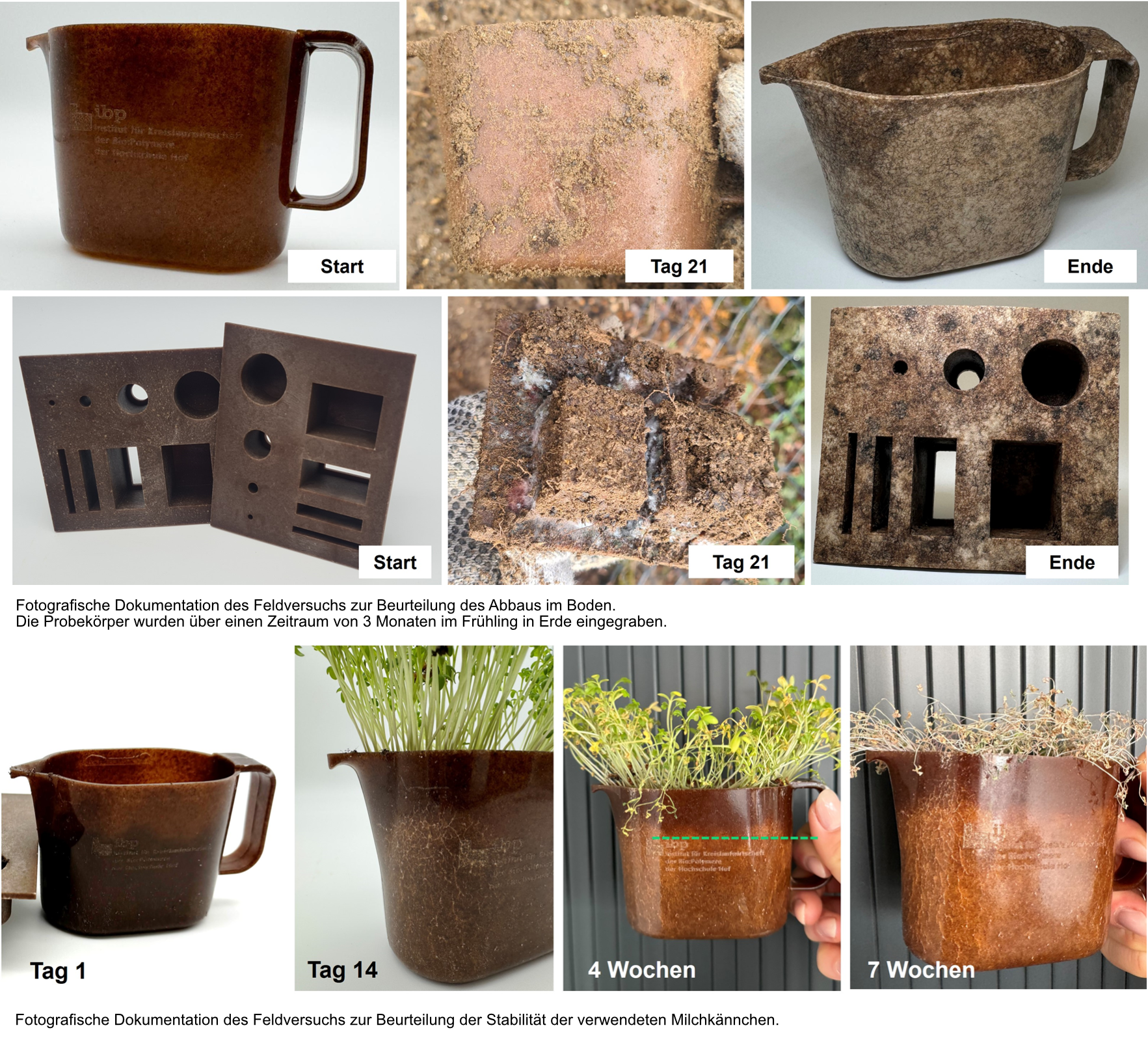
Besides successful processing, the degradability and dimensional stability of the material are also important for the final application. Two field tests were therefore carried out. In a windowsill test, the milk jug used as a planter became lighter and developed a crack pattern over the two months, but did not leak. In addition, the milk jug and the BKW demonstrator were buried in soil. After only 21 days, changes in structure and fungal growth were visible. After 3 months the samples were dug up, cleaned and photographed again. The parts showed black spots, and a slightly musty smell indicated that degradation had begun.

The results were also published in “Kunststoffe” 12/2024.

Subproject 2 “BioCaps”

Thanks to its very good chemical and technical properties, polypropylene is one of the most widely used conventional plastics in the world. However, PP is based on fossil resources and has a long service life. PP is not biodegradable and can therefore remain in the environment for a long time. For this reason, interest in environmentally friendly, bio-based alternatives is growing.

In this project, the polypropylene used so far is to be replaced by a bio-based plastic. The plastic must be processable with the existing injection moulding process and meet the properties required for screw caps.

Kreislaufwirtschaft Kunststoffe im Projekt TechCirclePolymers

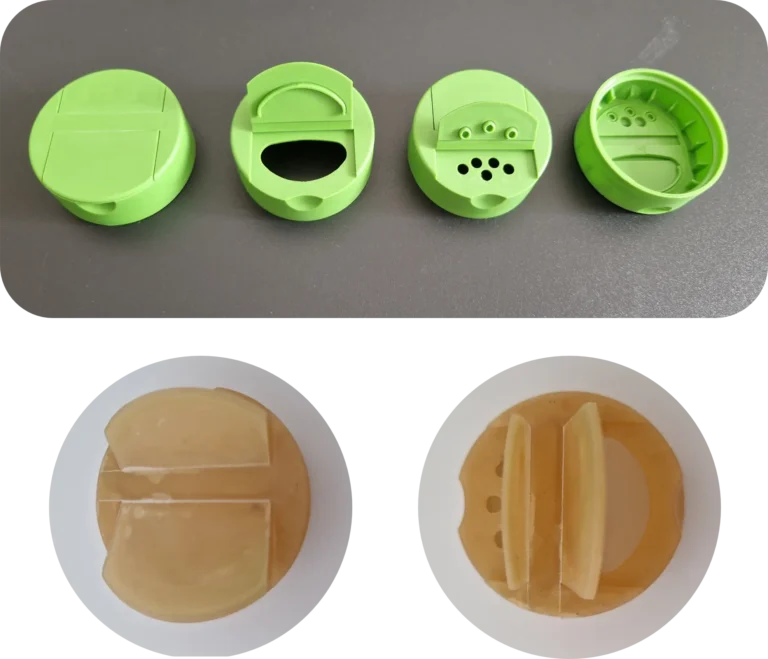
In the subproject “BioCaps”, carried out together with “Klett Kunststofftechnik GmbH & Co. KG”, bio-based and compostable closures for injection moulding were developed and investigated.

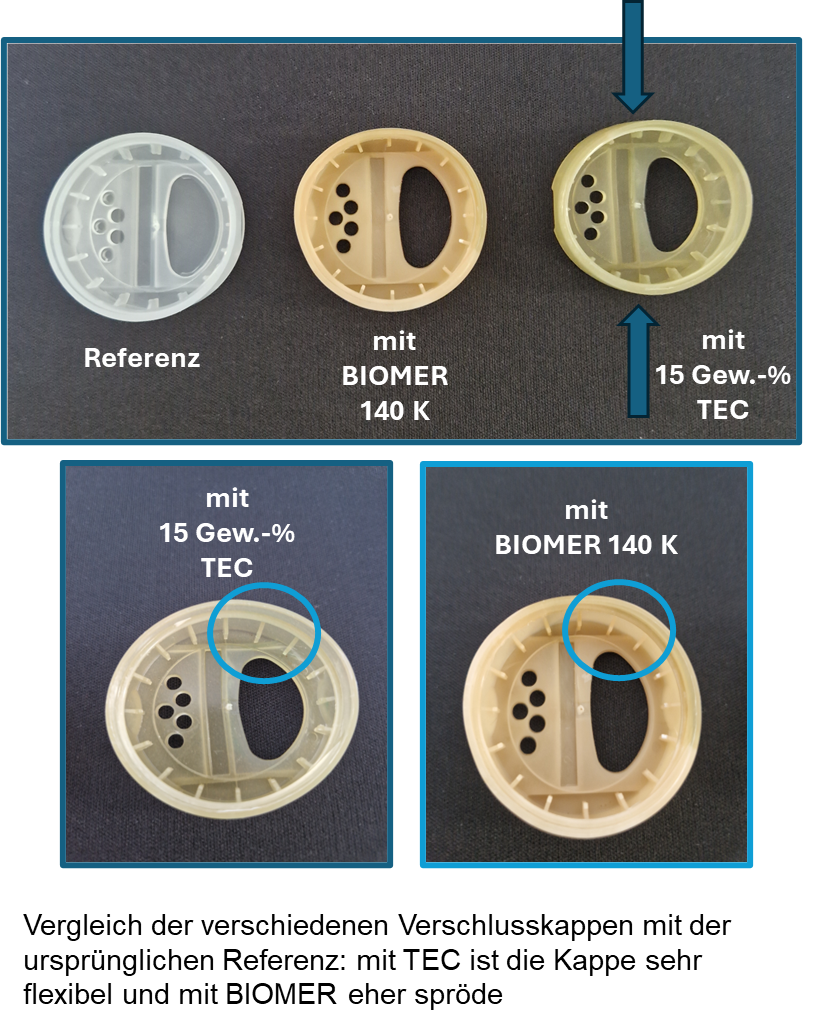
By using a biopolymer modified with sustainable additives such as waxes and plasticisers, processability in injection moulding was optimised and the mechanical and rheological properties of the materials were improved. The additives were selected to minimise water vapour permeability. A sustainable filler was intended to lower material costs and, thanks to its high silicon dioxide content, increase the resistance of the bio-compounds to various chemicals.

Adding the plasticiser improved the processability of the biopolymer in injection moulding, but made the screw caps more flexible than the wax-modified materials. At the same time, the mechanical and rheological properties of the compound were significantly improved.

Subproject 3 “RecycleBra”

Kreislaufwirtschaft der Bio: Kunststoffe und Rezyklate im Projekt TechCirclePolymers

PU foam processing currently produces large quantities of offcuts and defective products. These are hardly reused and are recycled thermally.

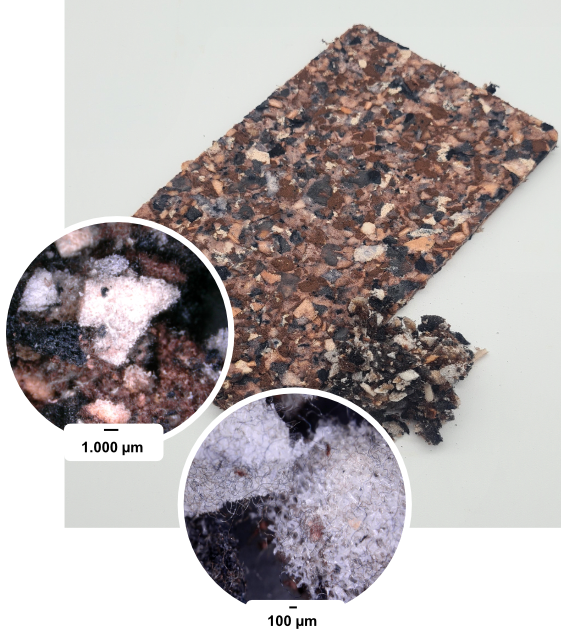
In the project “RecycleBra”, a composite of polyester textile, PU foam and a hot-melt adhesive system is first shredded, and the resulting foam-textile particles are processed into a “new” foam sheet in order to save fossil resources.

The subproject was carried out in cooperation with KomRec-ReCond GmbH and Muehlmeier Bodyshaping GmbH.

First, the foam-textile sheets were shredded into different sizes, and the recycled material was then processed further as foam-textile particles.

Using an adhesive and process additives tailored to the system, the particles were bonded together again in a pressing process, resulting in a relatively homogeneous base sheet.

Depending on the adhesive, additives, process parameters and amount of particles, the final properties of the new foam sheet (hard or soft, flexible or stiff) can be adjusted.

Subproject 4 “CO2 Reduction”

Surface protection films, used for example to protect windows from scratches during delivery and installation, are currently complex to produce because of the adhesive layer they require. This leads to a relatively high CO2 footprint and material consumption.

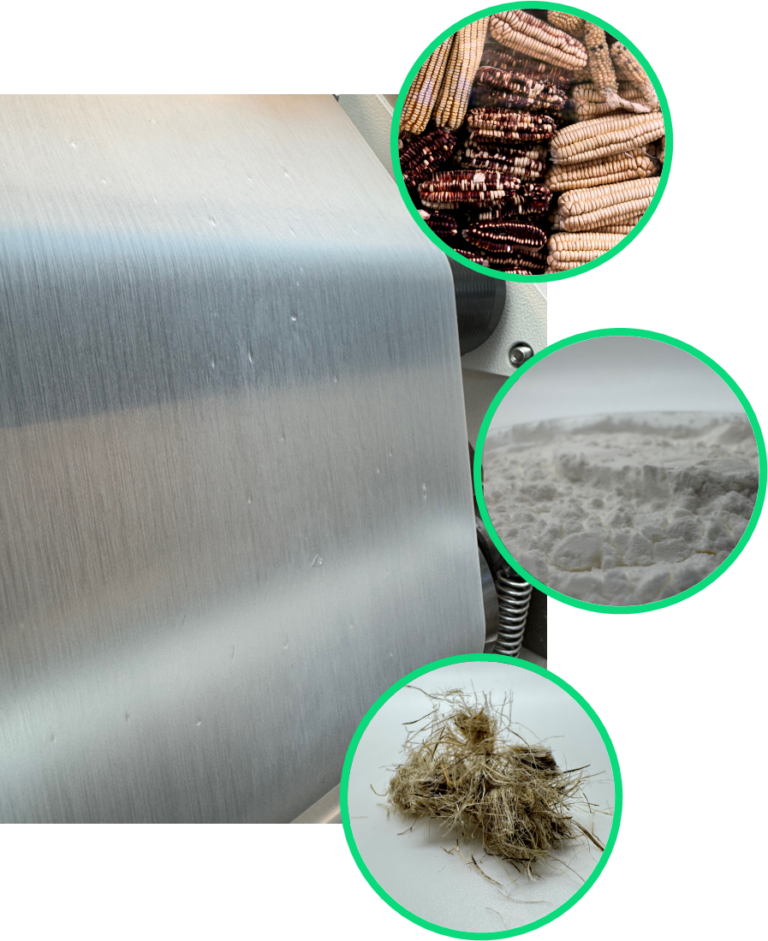
To save CO2 and reduce material consumption when producing the adhesive layer, this project aims to work without solvents and apply the adhesive layer directly to the polyolefin-based carrier film.

Image source: www.zero-dust.de

Kreislaufwirtschaft der Bio: Kunststoffe und Rezyklate im Projekt TechCirclePolymers

Processing the recyclate into a new film.

The joint subproject with jura-plast GmbH was also successfully completed last year. In addition to a solvent-free variant, the adhesive layer could be applied directly to the polyolefin carrier film. jura-plast is now pursuing the results internally.

The developed film was also tested for recyclability, so that in addition to reducing CO2 emissions, it also benefits environmental protection.

The recyclate was then processed into a film on a trial basis.

Subproject 5 “Eco Straw”

Unground bran

Bread and roll crumbs as well as bran, which are produced every day as by-products in bakeries, are currently not used any further and are pure waste.

To make an important contribution to waste management and to the bioeconomy, the project “Eco Straw” uses bread and roll crumbs, bran and combinations of both as fillers for a biopolymer.

The aim is to develop a sustainable reusable drinking straw by modifying the bakery residues and/or the biopolymer.

The straw is to be water-resistant and resistant to mould in order to create a durable product that is safe for health.

Our project “Eco Straw” has already produced very interesting interim results.

To keep the reusable straws stable for longer and resistant to germs, bacteria and mould, additives are mixed into the rye bran polylactide compound.

So-called contact plate tests are then carried out to test the resistance of the blends to water, orange juice and milk.

The blends are currently being optimised. The effectiveness of the antimicrobial properties of the different additives is already clearly visible: some additives tend to promote microbial growth, others inhibit it.

Subproject 6 “BioAnalytik”

Sustainability and resource conservation are becoming increasingly important for plastics processors, so biopolymers are being used more and more. Especially for products with a very short life cycle, such as packaging, there is strong demand for a sustainable (and biodegradable) alternative. Thanks to its good availability and very low price, the bioplastic thermoplastic starch (TPS) is a good choice for many applications. However, TPS also has disadvantages, such as absorbing and releasing moisture, processing, and long-term and dimensional stability. TPS therefore usually has to be modified with additives or another bioplastic.

The project “BioAnalytik” examines a blend system of TPS and polybutylene succinate (PBS) and clarifies the influence of reinforcing agents, compatibilisers and environmental factors (e.g. temperature and humidity). The blend systems are examined using the most common analytical methods; together with our partner NETZSCH, the analyses are evaluated and summarised in an e-book.

Kreislaufwirtschaft der Bio: Kunststoffe und Rezyklate im Projekt TechCirclePolymers

Subproject 7 “BioCurlers”

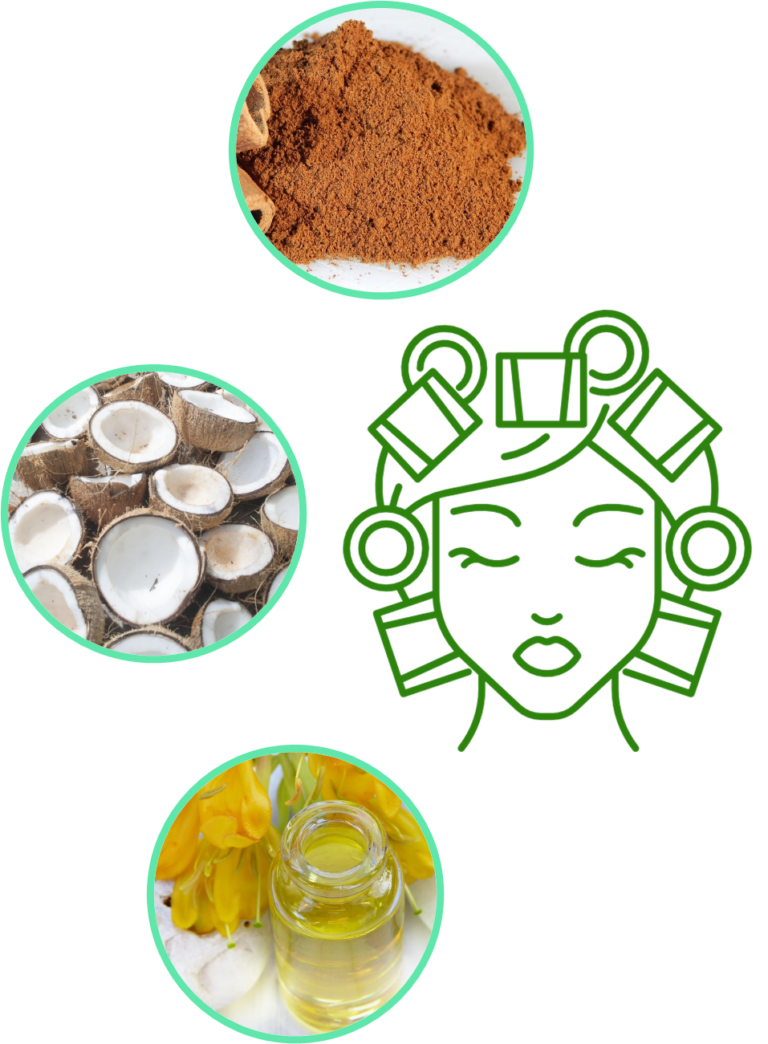
The aim of the subproject “BioCurlers” is to develop a bio-based hair curler. This environmentally friendly alternative is to replace the petrochemical material polyethylene used so far.

Instead of PE, the bioplastic polylactide is to be used, which is biodegradable, causes lower CO2 emissions and significantly reduces dependence on fossil raw materials.

In addition to replacing the petrochemical material, additives are planned for the polylactide so that the new curlers also have a conditioning effect on the hair during use.

Kreislaufwirtschaft der Bio: Kunststoffe und Rezyklate im Projekt TechCirclePolymers

Subproject 8 “ReInjekt”

Kreislaufwirtschaft der Bio: Kunststoffe und Rezyklate im Projekt TechCirclePolymers

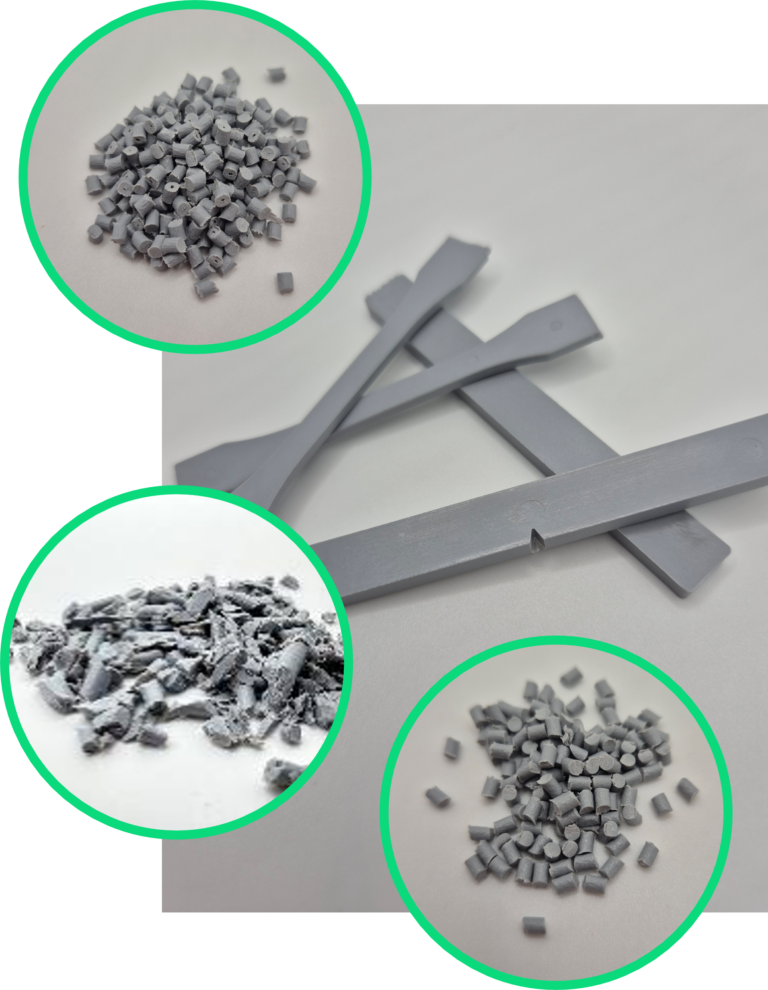
Medical technology places the highest demands on materials, especially in terms of their properties and purity. Due to high quality standards and strict regulations, large amounts of unusable material (e.g. sprues) are produced. These post-industrial recyclates (PIR) often consist of high-quality engineering plastics that are currently hardly used. With rising raw material prices and growing sustainability requirements, the use of recyclates is becoming increasingly important.

In the subproject “ReInjekt”, we are therefore investigating, together with Kunststofftechnik Schnitzler GmbH & Co. KG, how recycled material from the medical sector can be reused.

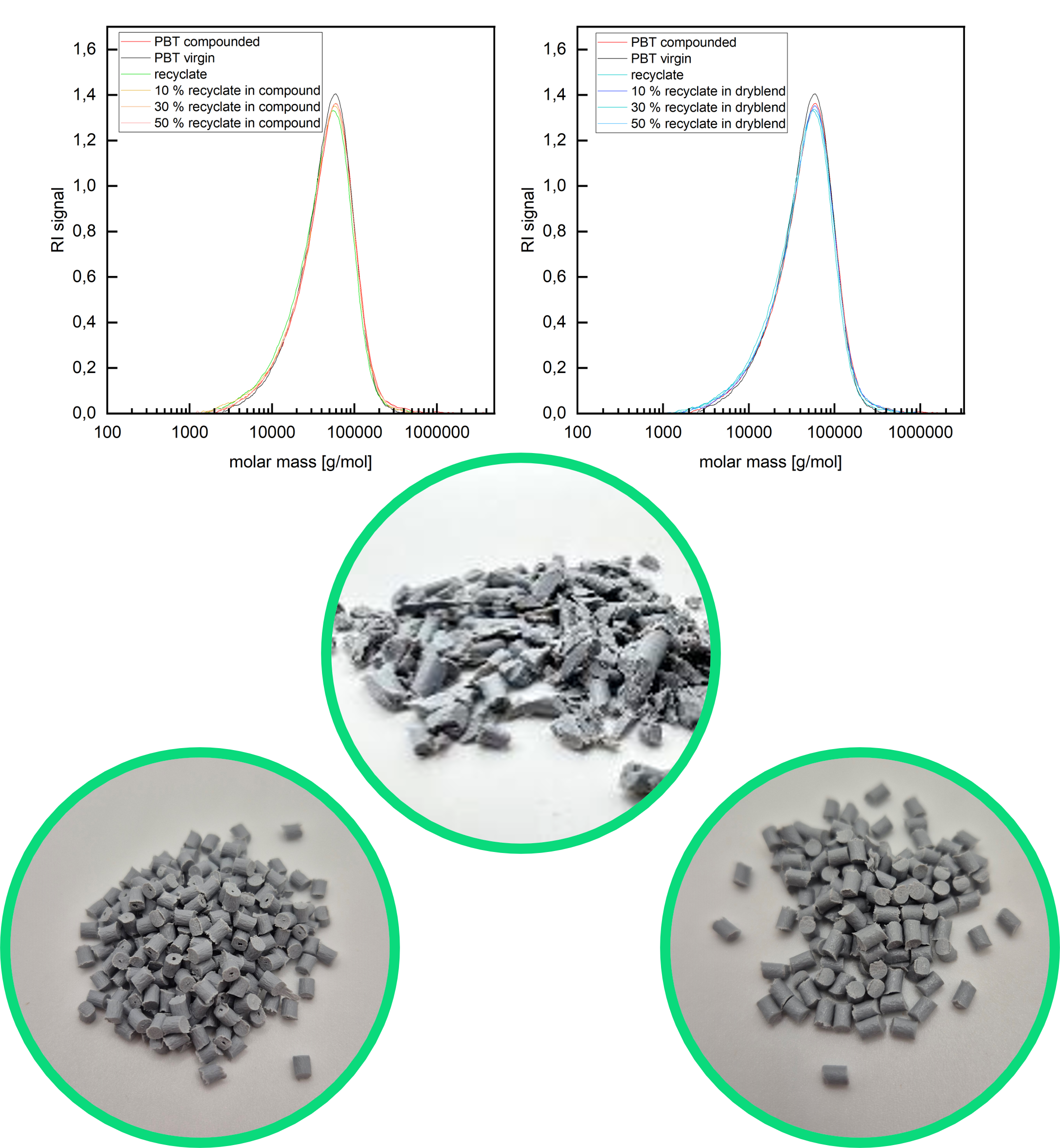
The subproject “ReInjekt” with Schnitzler Kunststofftechnik GmbH showed that a proportion of PBT recyclate can be used in injection moulding.

Direct processing as a dry blend proved advantageous, because compounding a virgin-recyclate mixture causes additional thermal stress, which leads to poorer mechanical and thermal properties.

Subproject 9 “GreenFiberComp”

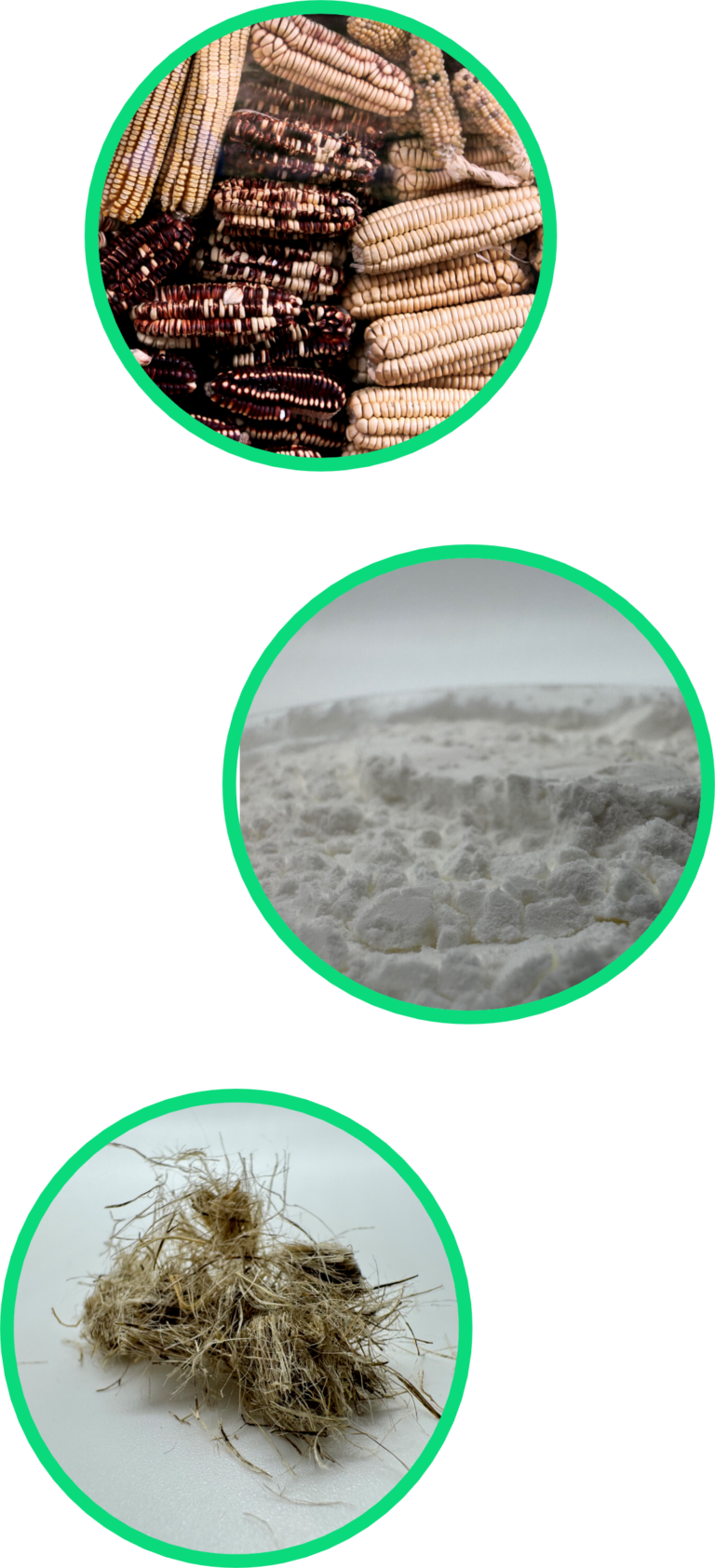
The project “GreenFiberComp” develops and characterises compounds of thermoplastic starch (TPS) with 20 % polybutylene succinate (PBS) combined with natural fillers.

Fillers influence the mechanical properties of the system. Fracture mechanics analysis is crucial, as load capacity and component service life depend directly on the interaction between fillers and matrix.

Sustainable TPS/PBS composites are particularly relevant for industry. They meet legal requirements and growing customer demand for environmentally friendly and sustainable materials. They also reduce the CO2 footprint and offer process reliability as well as mechanical stability.

The project “GreenFiberComp” is carried out together with the two project partners WIKUTEC GmbH and Willi Geyer GmbH.

Contact

Are you interested in the project “ERDF – Technology transfer for a sustainable circular economy of polymer and biopolymer materials”?

Would you like more information about a possible cooperation?

Then feel free to contact us:

KREATIK: Innovation für Kreislaufwirtschaft & KI, Rezyklate KREATIK Circular Economy and AI innovation project
isabell-kleiber-2

isabell.kleiber2(at)
hof-university.de

M. Eng.
Isabell Kleiber
Team leader
christin-baumgart

christin.baumgart(at)
hof-university.de

Dr.-Ing.
Christin Baumgart
Research associate