Innovative Circular Economy Research | About the ibp
Innovative Circular Economy Research of Tomorrow
The ibp develops innovative solutions for bio:polymers, recycling technologies, and sustainable product development. Working closely with industry partners, we bridge the gap between scientific research and industrial application.
The Institute for Circular Economy of Bio:Polymers
The Institute for Circular Economy of Bio:Polymers (ibp) at Hof University serves as a center of expertise for sustainable polymer solutions.
We conduct research on the development, processing, and recycling of bio:polymers and plastics and support companies in implementing circular material and product concepts.
Originating from applied biopolymer research, the ibp now develops solutions across the entire material life cycle, from material development and product design to recycling. Innovative Circular Economy Research
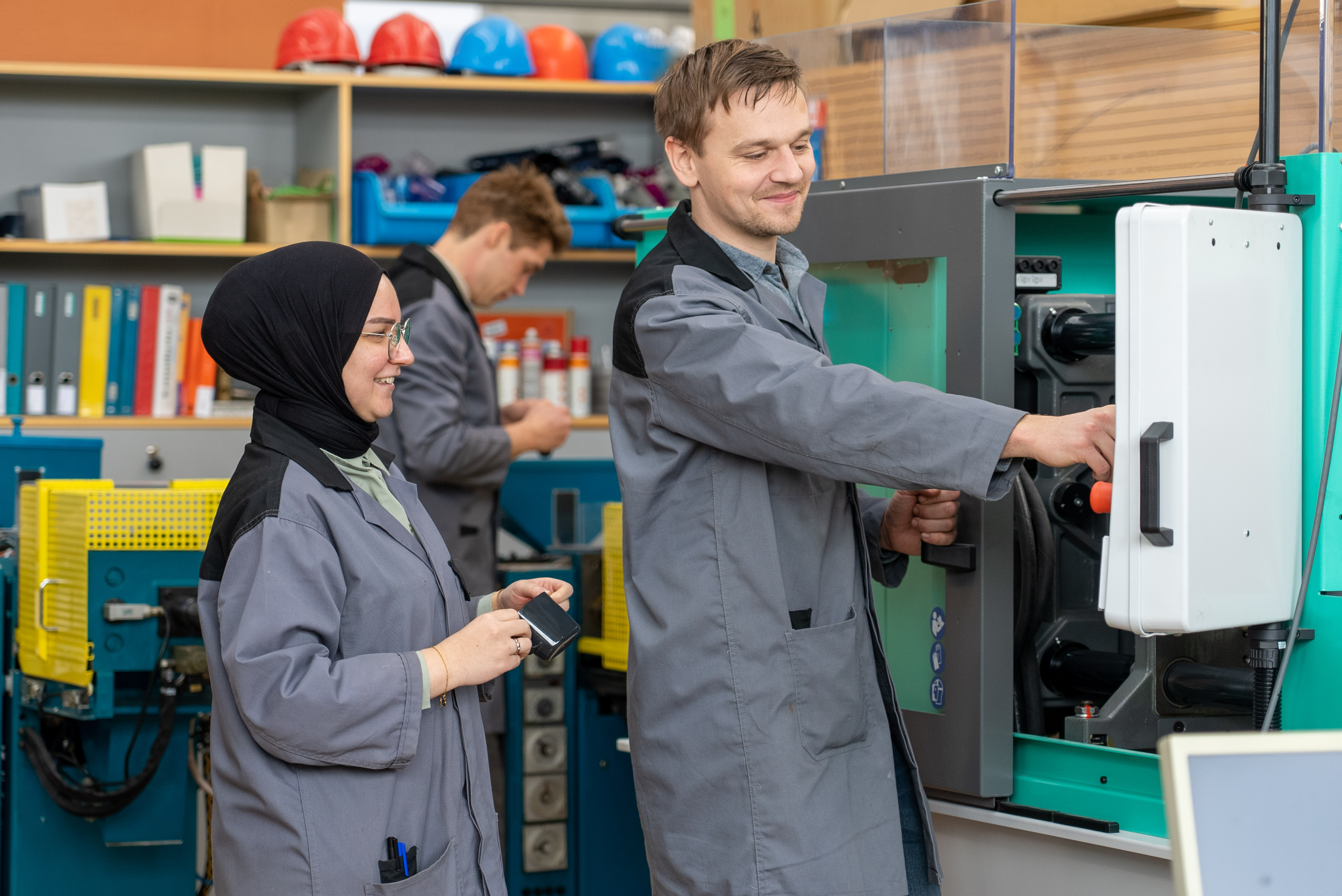
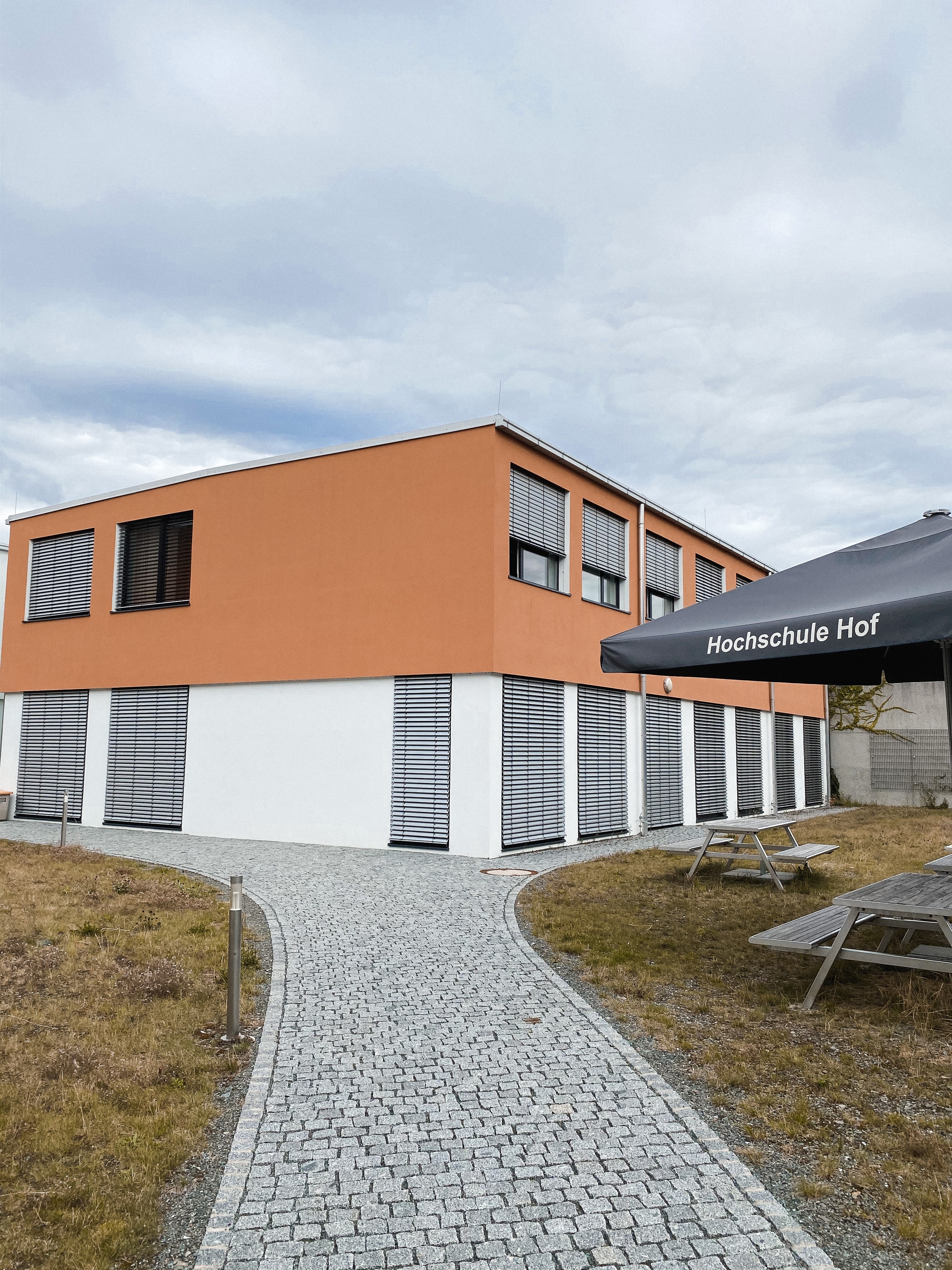
As a research institute of Hof University, the ibp combines scientific expertise, state-of-the-art infrastructure, and application-oriented research in the field of sustainable polymer materials.
Through its close collaboration with the faculties, research institutes, and industry partners of Hof University, the ibp develops practical solutions and technologies to address the challenges of tomorrow.
Location Hof University with 2 pilot plants and 2 laboratories
Technological Expertise Extrusion, injection molding, thermoforming, and recycling technologies.

Prof. Dr.-Ing. habil. Michael Nase
Institute Director
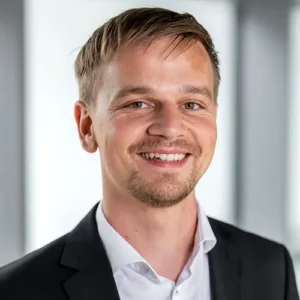
Lucas Großmann, M.Sc.
Deputy Institute Director
Message from the Institute Management
Turning Research into Real-World Applications
Sustainability is not created in the laboratory alone. It comes to life when an idea becomes a material, a material becomes a process, and ultimately a process becomes a functional product.
Since the founding of the Institute for Circular Economy of Bio:Polymers (ibp) in 2018, we have pursued a consistently application-oriented approach. Together with companies and academic partners, we advance the development of materials, products, and processes for sustainable plastics, bio:polymers, and the circular economy.
Our Conviction
We deliberately take a technology-neutral approach to sustainability. Bio-based and biodegradable plastics can make an important contribution. Equally important, however, are high-quality recyclates, recycling-oriented product design, efficient manufacturing processes, and closed material loops. Rather than favoring a particular class of materials, our objective is to develop the technically, environmentally, and economically most suitable solution for each specific application. Innovative Circular Economy Research
Bridging Science and Practice
One of the ibp’s greatest strengths is its close connection between scientific research and industrial practice. Our team combines emerging research talent with extensive experience from both academia and industry. As a result, we approach challenges not only from a scientific perspective but also with a clear focus on industrial processes, feasibility, and market requirements.
For us, the success of a project is measured not only by publications or strong test results, but above all by the creation of solutions that find their way into practical application.
We are equally proud of the development of our institute. Within just a few years, a young research organization has evolved into an established research and development partner with a broad network of companies, universities, and research institutions. Together with our partners, we have already advanced numerous innovations and successfully implemented real-world applications.
Looking Ahead
In the years to come, we are committed to continuing this path. As part of the Green Tech University Hof University, we see ourselves as a bridge between research, industry, and sustainable value creation in Upper Franconia, Bavaria, and beyond. With its strong base of small and medium-sized enterprises, Upper Franconia offers outstanding conditions for advancing sustainable materials and technologies as a key field of the future.
We would like to thank all companies, research partners, and funding organizations that are joining us on this journey. And to everyone asking how a material, product, or process can become more sustainable, we extend an open invitation:
Talk to us. The best solutions are created together.
Prof. Dr.-Ing. habil. Michael Nase
Institute Director
Lucas Großmann, M.Sc.
Deputy Institute Director
Sustainability & Circularity
We develop solutions for a resource-efficient future.

Scientific Excellence
Our work is built on rigorous research and state-of-the-art methodologies.

Technology Transfer
We support innovations from the laboratory to industrial implementation.

Partnership
Together with industry and research partners, we develop sustainable and future-oriented solutions.
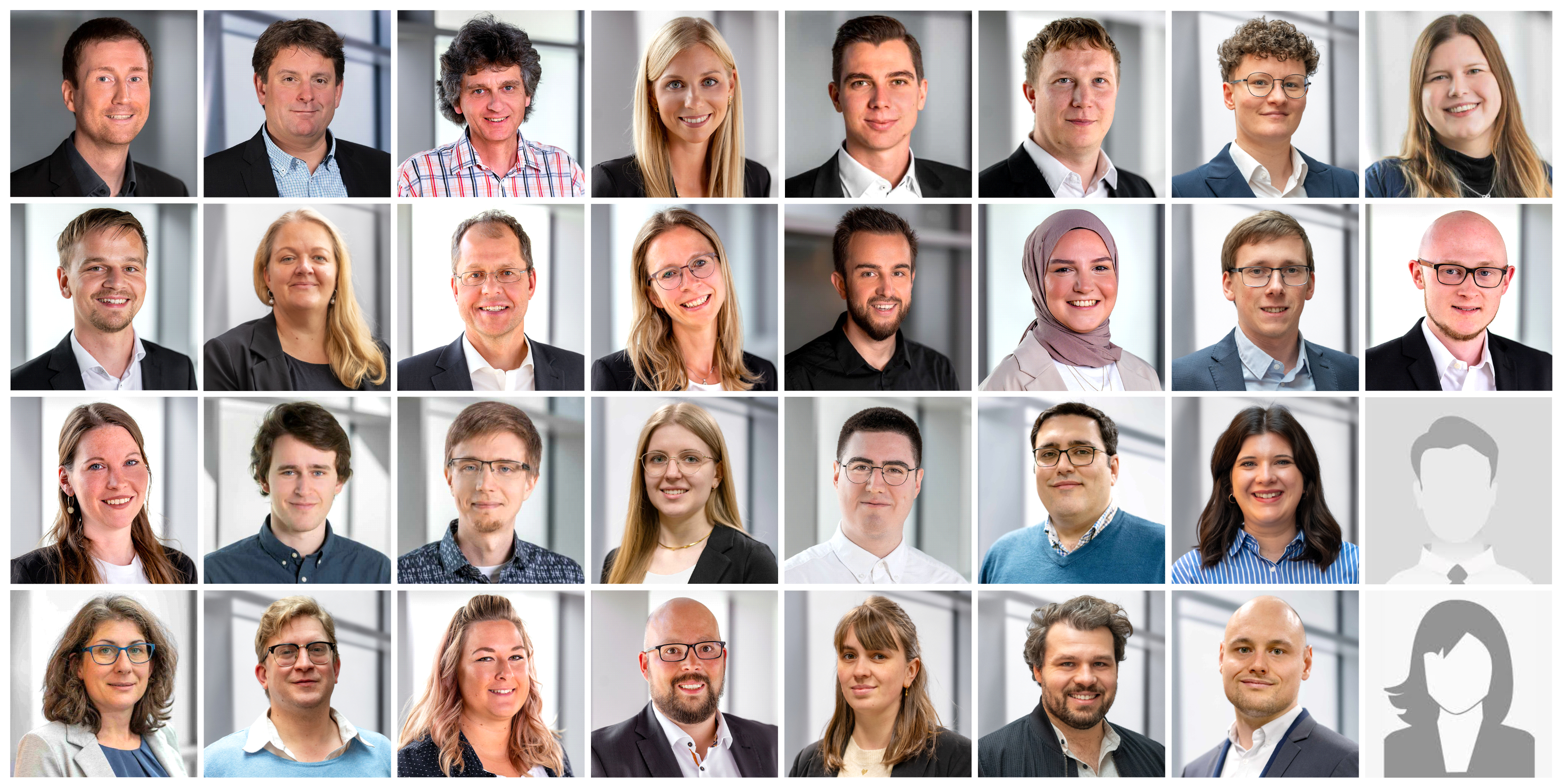
The People Behind the Research
Our interdisciplinary team combines expertise in plastics engineering, materials science, sustainability assessment, and process development. Together, we develop innovative solutions for the circular economy of bio:polymers and plastics and support research projects from the initial idea through to industrial application.
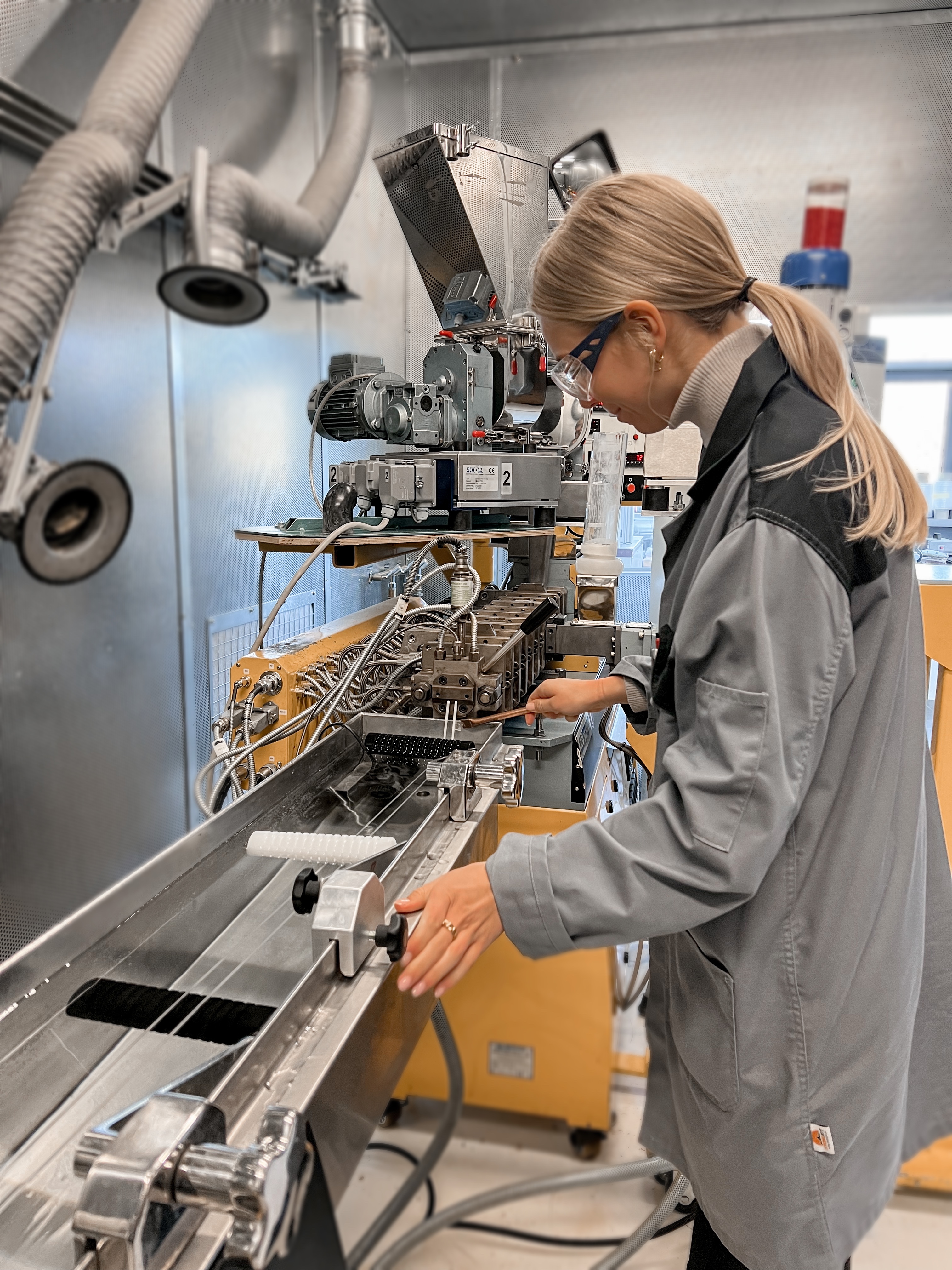
Engineering of Bio: Polymers and Bio: Composites
Development, analysis, and optimization of bio:polymers, polymer blends, and composite materials throughout their entire life cycle.
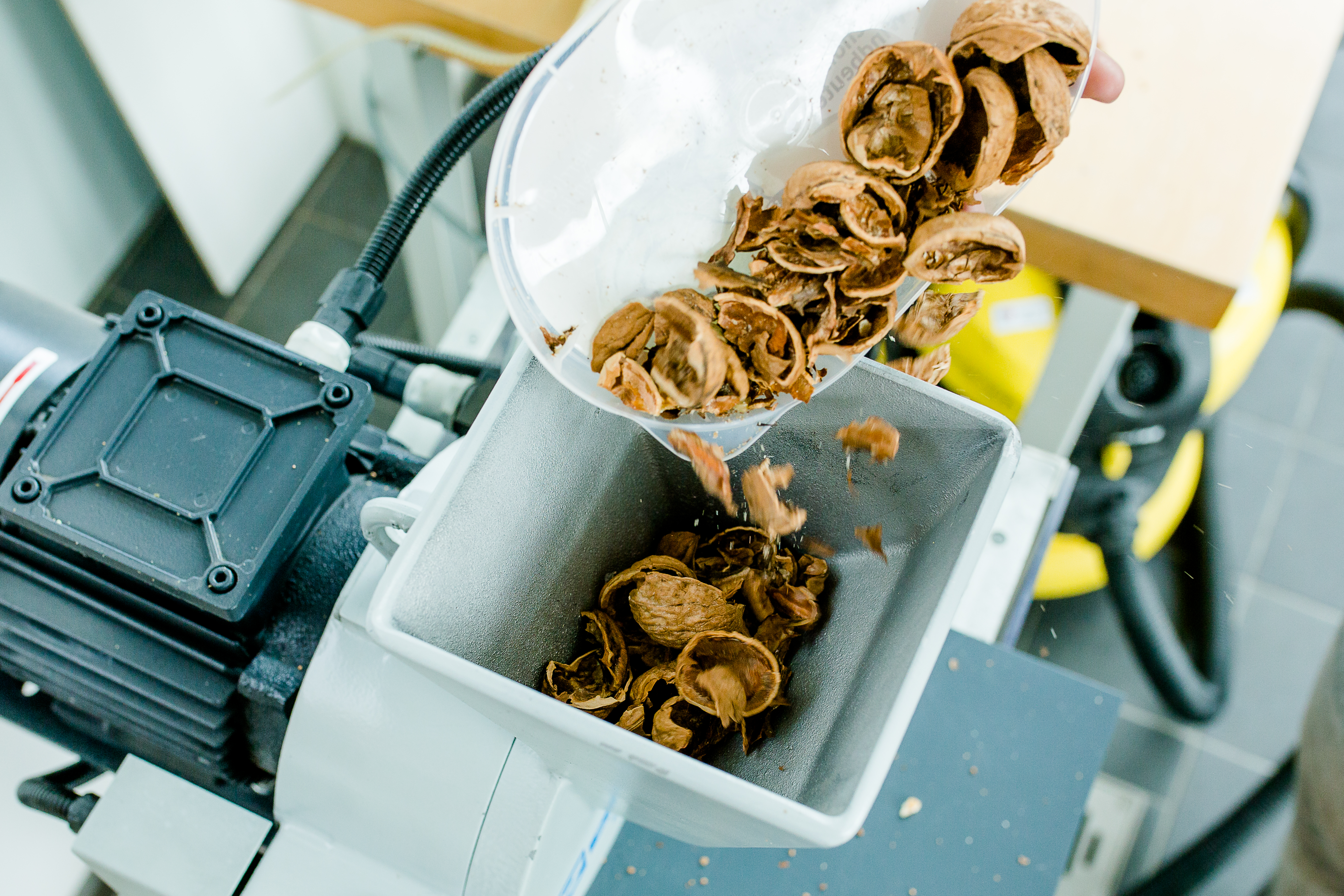
Natural Material
Composites
Research on natural fiber- and residual material-based composites and their processing into high-performance material systems.
AI-Enabled Circular
Design
Development of data-driven methods and tools for resource-efficient, circular, and recycling-oriented product design.
Polymer Degradation,
Restabilization and
Recycling Technologies
Research into innovative technologies for the treatment, restabilization, and recycling of plastics to support sustainable material cycles.
Networks and Partner Profiles
Das ibp ist in zahlreichen Vereinen, Netzwerken und Partnerprofilen vertreten.
Looking for a Strong Partner in Research, Development, or Recycling?
We support you from the initial idea through to industrial implementation.
Latest Activities
Learn more about research projects, events, publications, and other activities of the Institute for Circular Economy of Bio:Polymers (ibp) at Hof University.
SmartReUSE: Artificial Intelligence for Increased Use of Recycled Materials
How can different plastic recyclates be specifically utilized for high-value applications? In the SmartReUSE research project, the ibp collaborates with industry partners to investigate how AI-powered pattern recognition can predict optimal material blends. The goal is to increase the use of recycled materials in plastics processing without compromising quality or functionality.
Read the Full Article →New Bench-Scale Bioreactor Expands Research Capabilities at the ibp
As part of the Agri Stretch 2 project, a BioFlo® 120 bench-scale bioreactor was commissioned, further expanding the ibp’s research infrastructure. The system supports investigations into the biodegradability of plastics and strengthens research in the field of the circular economy.
Read the Full Article →A Second Life for Wine: Turning Grape Residues into Sustainable Plastics
Can winery by-products become a valuable raw material for the plastics industry? Doctoral researcher Benedikt Hiller demonstrates how grape residues can be transformed into innovative materials for more sustainable plastics and explains why this research is attracting attention beyond the region.
Read the Full Article →BioVerBiss Develops Innovative Wildlife Protection Solutions
Together with BKW Kunststoff GmbH, the ibp is developing a bio-based protective sleeve for young trees. Novel materials and integrated deterrent systems are designed to effectively reduce wildlife browsing damage.
Read the Full Article →Project WoodTouch Launched
Research Project Together with partners from academia and industry, the ibp is developing sustainable interior components made from solid wood, bio-based plastics, and printed sensor technology. The project aims to create functional, resource-efficient solutions for the vehicle interiors of the future. WoodTouch is funded under the Central Innovation Program for SMEs (ZIM) by the German Federal Ministry for Economic Affairs and Energy (BMWE).
Read the Full Article →